
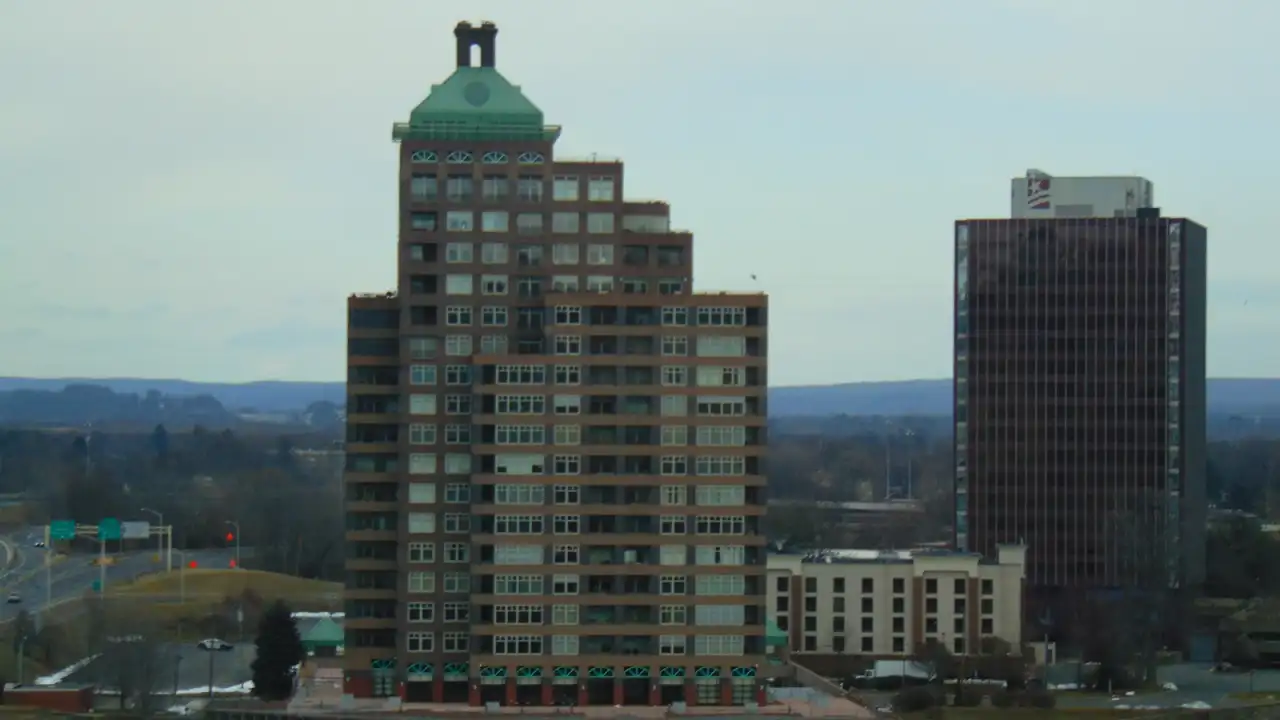
About 4 mi / 10 min from Hartford (across the Connecticut River). Same-week scheduling for planned repairs, turnover work, and finishing; priority visits for water-damaged and sagging ceilings, which we treat as urgent.
Drywall Repair in East Hartford
Hartford Elite Drywall repairs drywall and plaster across East Hartford, from the pre-war two- and three-families of Burnside and Hockanum to the rental blocks along Silver Lane and the water-prone basements near the river. East Hartford sits directly across the Connecticut River from Hartford, close enough that it is one of the first towns Hartford Elite Drywall runs to. It is a working-class town that grew up around Pratt & Whitney, and the housing shows it: block after block of early-1900s to 1940s two- and three-family workers’ homes through Burnside and Hockanum, wartime and postwar capes and ranches on the east side, and dense rental apartments along Silver Lane and the river flats. Knowing which of those you are standing in tells the company most of what a wall or ceiling needs.
Plaster repair in Burnside and Hockanum
Hartford Elite Drywall stabilizes and converts plaster in Burnside, Hockanum, and the older housing near the Main Street center, where the recurring call is plaster. Original plaster is troweled over thin wood lath, and over the decades it loses its keys, the little plugs that lock it to the lath, so it cracks along stress lines, bulges off the wall, and sags on ceilings. The mistake is treating that like a drywall patch. Sound plaster can be stabilized with plaster washers and skim-coated back to the hard, flat finish these houses are known for; plaster that has failed gets converted to drywall in that area and matched so it does not read as a soft patch next to the original. In a two- or three-family that is rented, getting that call right is the difference between a repair that holds and one that re-cracks before the next lease.
Rental turnover patching along Silver Lane
Hartford Elite Drywall handles rental turnover patching along the Silver Lane corridor and the flats near the river, a large apartment and multi-family market where Mayberry Village and the wartime stock turn over on a steady rhythm. That means repeatable turnover work: patching holes and dings, sealing water stains, and getting walls repaint-ready between leases, on the schedule a landlord or property manager actually keeps. The company handles that repeat work at the pace the turnover needs, so a unit is not sitting empty waiting on drywall.
Water-damage drywall repair near the Connecticut River
Hartford Elite Drywall replaces water-damaged drywall in the low neighborhoods and older basements near the Connecticut River and the Hockanum, which see damp, occasional intrusion, and spring high-water risk. When a pipe bursts in a freeze-thaw or a lower level takes on water, the right move is to cut out the wet and mold-prone board, dry the cavity, and replace with material suited to a below-grade or flood-prone space, not to patch over a problem that comes back. For a floodplain address it is worth checking the FEMA flood map before finishing a lower level at all.
Popcorn removal on the east-side capes and ranches
Hartford Elite Drywall removes popcorn and refinishes ceilings on the wartime and 1950s–60s capes and ranches on the east side, which run to postwar drywall. Here the common work is aging ceilings, textured and sometimes popcorn finishes that owners want brought to a clean smooth surface, along with everyday repair on the working-stock housing. On any home built before 1980, popcorn should be tested before removal, since older textured ceilings can contain asbestos.
Neighborhoods we work in
- Hockanum — Historic mill village in the northeast along the Hockanum River, older workers' housing on low ground near the water.
- Burnside — North-central neighborhood along Burnside Avenue, dense early-1900s two- and three-family homes.
- Silver Lane — East-side commercial corridor lined with apartment complexes and multi-family blocks, a heavy rental market.
- Mayberry Village — 1940s wartime workforce housing built for Pratt & Whitney, compact units that see steady turnover.
- Main Street center — The Town Hall / civic center along Main Street near the riverfront, older mixed housing and small multi-family.
Why East Hartford homes need what they need
Silver Lane and the river flats are dense with rental apartments and multi-family blocks
Continuous between-lease turnover: holes, dings, ceiling stains, repaint-ready patching for landlords and property managers
Riverfront town across the Connecticut River, with Hockanum-area low ground and older basements
Leaks, backups, and floodplain moisture drive water-damaged and moldy drywall cut-outs and ceiling replacement
Burnside and Hockanum are full of early-1900s to 1940s two- and three-family workers' housing
Plaster-over-lath cracks, bulges, and ceiling sag are plaster failures, not drywall patches; they need stabilization or conversion
WWII and postwar capes and ranches (Mayberry Village and the east side) have aging, often textured ceilings
Owners want popcorn removed and ceilings brought to a clean smooth finish
What we’re called for most in East Hartford
Local resources for East Hartford homeowners
- Building / Permit Dept (Inspections & Permits) — Located in the basement of Town Hall, 740 Main Street; the town accepts permit applications online through its Inspections & Permits portal.
- Assessor / Property records — Property record cards and GIS are the local housing-era data source; lookup runs through the town's assessor site.
- FEMA flood map (riverfront / floodplain) — East Hartford's Connecticut River and Hockanum River flats sit in mapped flood zones; check the address before finishing a lower level.
Frequently asked questions
I own a two-family in Burnside and the plaster ceilings keep cracking. Do I have to replace them with drywall? +
Not necessarily. A lot of Burnside plaster is still sound but has lost some keys to the lath, and Hartford Elite Drywall stabilizes it with plaster washers and skim-coats it back to a flat finish. Where the plaster is too far gone we convert that area to drywall and match the look. We tell you which after seeing it.
Do you handle turnover patching on Silver Lane rental units? +
Yes. Hartford Elite Drywall does fast, repeatable between-lease work on the apartment and multi-family stock along Silver Lane and the river flats: hole and ding patching, ceiling-stain sealing, and repaint-ready walls, scheduled around your turnovers.
My lower level took on water near the river. Can the drywall be saved? +
It depends on how high the water came and how long it sat. Hartford Elite Drywall cuts out the wet and mold-prone board, dries the cavity, and replaces with the right material for a below-grade or flood-prone space, rather than just patching over a problem that comes back.